Ecosystem Update May 2026
We are excited to bring you the May 2026 Ecosystem Update, covering the latest developments across the macro environment, market performance, the broader industry landscape, and Advanced Blockchain's ecosystem.
Macro Overview
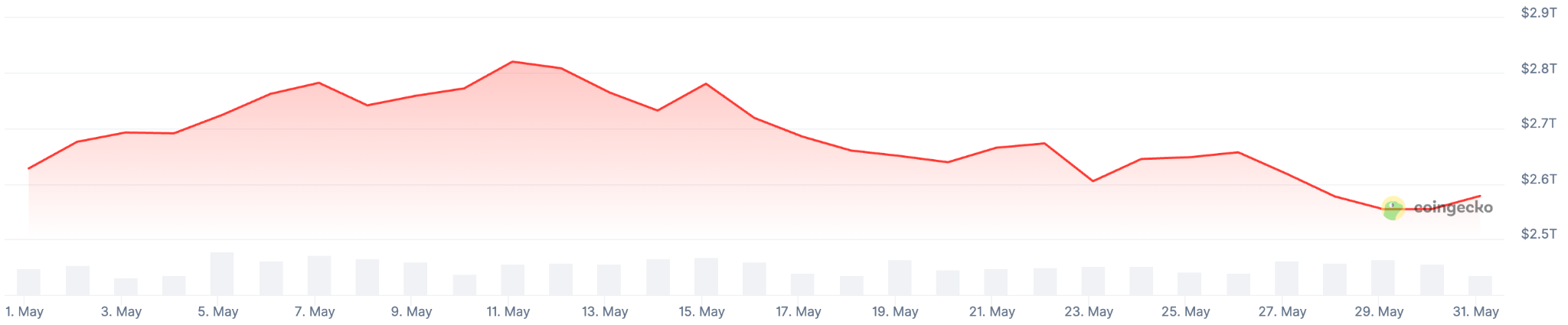
The total crypto market cap opened May around $2.65 trillion and climbed steadily through the first two weeks, peaking at roughly $2.85 trillion around May 10-11. This rise aligns closely with the burst of positive catalysts in early May: the Telegram/TON announcement on May 5 triggered a broad altcoin rally, and the Ondo–JPMorgan tokenized Treasury milestone on May 6-7 reinforced confidence in crypto's financial infrastructure narrative. The CLARITY Act clearing the Senate Banking Committee on May 14 briefly extended the bullish mood.
From mid-May onward, the market entered a sustained decline, shedding roughly $300 billion by month's end and closing near $2.55 trillion - the lowest point of the month. The reversal tracks with the turn in Bitcoin ETF flows, which swung from record April inflows to $1.26 billion in outflows over six consecutive days in late May, as institutional allocators shifted from accumulation to distribution. Geopolitical uncertainty added further pressure in the final week, pushing the market cap down sharply into the May 29-31 close. The net result was a month that began with genuine momentum but ended in retreat, with the market giving back most of its early gains despite a broadly constructive regulatory backdrop.
Regulatory Maturation: The US and EU Rewrite the Rules
The most defining thread of May 2026 was the simultaneous advance of regulatory frameworks on both sides of the Atlantic. The US moved closer to comprehensive market-structure legislation, while Europe opened a formal review of its own established rules.
On May 14, the US Senate Banking Committee approved the CLARITY Act in a 15-9 vote, marking the first major piece of comprehensive crypto market-structure legislation to clear a Senate committee. The bill would establish a framework for determining whether a digital asset is a security or a commodity, addressing a jurisdictional gap between the SEC and CFTC that has created regulatory uncertainty for years. Democratic Senators Ruben Gallego (Arizona) and Angela Alsobrooks (Maryland) crossed party lines to support the bill. White House officials signaled that the bill could advance to a full Senate vote in the coming weeks.
On May 27, the CFTC asked a federal judge to vacate its $5 million penalty against Gemini Trust Company, founded by Cameron and Tyler Winklevoss. The regulator stated that the enforcement action, brought under the Biden administration, was based on an account from a whistleblower that was not credible, and that Gemini had itself been the victim of fraud by a former COO. The withdrawal reflects the CFTC's changed stance on crypto enforcement under the current administration and is the latest in a series of cases being reconsidered across federal agencies.
On May 20, the European Commission opened a formal consultation on the functioning of the Markets in Crypto-Assets (MiCA) regulation, inviting public and stakeholder submissions through August 31. The review examines whether the 2024 framework remains fit for purpose as crypto markets shift toward institutional infrastructure, tokenized assets, and stablecoin-based settlement - use cases that were less central when MiCA was drafted in the wake of the FTX and Terra/Luna collapses. The review covers licensing, reserves, governance, AML/KYC, and consumer protection. European regulators confirmed that a July 1 deadline is approaching, by which all firms offering crypto asset services, such as trading or exchanging, in the EU without formal MiCA authorization must cease operations in member states. The deadline is expected to drive significant market consolidation, particularly among smaller and mid-sized crypto service providers operating on transitional licenses.
Institutional Finance Embeds Deeper into Crypto
Consensus Miami 2026 and the continued growth of spot Bitcoin ETFs illustrated how thoroughly institutional participants have integrated into the crypto market - even as short-term flows turned negative in late May.
Spot Bitcoin ETFs in the US had accumulated approximately $147 billion in assets under management by May 2026, with BlackRock's IBIT holding a dominant 48.5% market share. After recording $2.44 billion in net inflows in April - the highest monthly figure on record - the market turned in late May, with $1.26 billion in outflows over six consecutive trading days. Analysts attributed the shift to profit-taking by institutional allocators and caution ahead of upcoming macroeconomic data. Major banks including Bank of America and Wells Fargo have opened Bitcoin ETF distribution to wealth management clients.
Real-World Asset Tokenization Reaches Operational Scale
May 2026 produced concrete, live demonstrations of tokenized asset infrastructure operating across borders and institutions, moving the RWA narrative firmly from pilot to production.
Ondo, JPMorgan, Mastercard, and Ripple Complete First Cross-Border Treasury Redemption
On May 6-7, Ondo Finance, in collaboration with Kinexys by J.P. Morgan, Mastercard, and Ripple, completed the first near real-time cross-border, cross-bank redemption of a tokenized US Treasury fund. The XRP Ledger processed the asset leg of the transaction in under five seconds. Ripple redeemed a portion of its Ondo Short-Term US Government Treasuries (OUSG) holdings on XRPL; Ondo processed the redemption and routed a fiat settlement instruction via Mastercard's network to Kinexys, which settled US dollar proceeds to Ripple's Singapore bank account. The transaction establishes a framework for 24/7, near real-time institutional settlement across global banks outside traditional banking hours.
The total value of distributed on-chain real-world assets, excluding stablecoins, crossed $32 billion in May 2026 - a more than 200% increase over the prior year. US Treasuries account for approximately 45% of the on-chain RWA market, with private credit a second major category. Regulatory frameworks in the EU, UAE, Singapore, and the US are all developing rules aligned with the sector's growth.
In another sign that tokenization is moving into core market infrastructure, DTCC advanced the development of DTC’s Tokenization Service in May, working with more than 50 participating firms across traditional finance and digital assets. The service is designed to support the tokenization of DTC-custodied real-world assets and to prove operational workflows in a production environment. Initial limited-production trades are planned for July 2026, with a broader service launch targeted for October 2026. This further supports the view that tokenized securities and real-world assets are moving beyond experimental pilots and into institutional settlement infrastructure.
Stablecoins: From DeFi Primitive to Sovereign Infrastructure
The global stablecoin market continued its rapid expansion in May, with a landmark government partnership signaling a new era of state-endorsed digital currencies and ongoing implementation of the US GENIUS Act framework.
On May 25, Tether announced a partnership with the Government of Georgia to launch GEL₮, a stablecoin pegged to the Georgian Lari and formally endorsed by the Georgian state. The National Bank of Georgia welcomed the collaboration as part of its digital financial infrastructure strategy. The GEL₮ is designed to enable lower transaction costs, near-instant settlement, and programmable payments, and is structured to maintain compatibility with evolving US stablecoin legislation including the GENIUS Act. It is among the first instances of a national government co-sponsoring a stablecoin built on Tether's infrastructure.
The GENIUS Act, signed into law in July 2025, continued to shape the US stablecoin landscape in May 2026 as the OCC, FDIC, and FinCEN progressed with implementing rules covering reserve requirements, issuer eligibility, and AML/sanctions compliance. The Act requires stablecoins to be backed one-for-one by US dollars or equivalent low-risk assets and limits issuance to approved depository institutions or licensed nonbank entities. Implementation rulemaking is expected to continue through 2026.
Global fiat-backed stablecoin supply exceeded $273 billion by mid-2026, having grown more than 40x from $6.8 billion in early 2020. Adjusted stablecoin transaction volumes grew 91% in 2025 to $10.9 trillion, approaching Visa's annual payments volume of $14.2 trillion. Yield-bearing stablecoins are the fastest-growing sub-segment, with supply having doubled over the prior year, as they position themselves as cash alternatives for DAOs, corporates, and investment platforms.
Stablecoin adoption also continued to move beyond crypto-native use cases. In late May, SoFi made its dollar-backed SoFiUSD stablecoin available directly through its consumer banking platform, giving nearly 15 million members the ability to buy, sell and hold the asset within the SoFi app. The development highlights how regulated banking and fintech platforms are beginning to integrate stablecoins into mainstream financial applications.
At the same time, the debate around the future structure of digital money became more nuanced. While stablecoins continued to gain regulatory and commercial momentum, central-bank and banking-sector representatives increasingly pointed to tokenized deposits as a potential long-term competitor. This suggests that the next phase of digital money infrastructure may be shaped by competition between stablecoins, tokenized deposits and central bank digital currencies, rather than by stablecoins alone.
Group Update
We have successfully completed a financing round via a shareholder loan. The six-figure sum received will be used for operational development as part of the “ABAG 2.0” strategic realignment and is intended, in particular, to enable the reactivation and targeted further development of FinPro. The focus is on establishing an operational unit in Germany with a focus at the intersection of blockchain technology, artificial intelligence (AI) and robotics.
As part of this reorientation, it is planned to equip FinPro as an operational platform with selected assets. These include investments in the fields of AI and robotics, ABX Analytics, and new tokenisation projects. Incredulous Labs is to focus exclusively on the token business in future and continue to function as a token platform within the group structure.
Several new tokenisation projects are currently in the pipeline. One of these projects is already at an advanced stage and has successfully completed both the feasibility phase and the proof-of-concept.
Furthermore, Mathias Roch will increasingly assume operational responsibility within the group companies in future and is set to leave the Supervisory Board in the foreseeable future.
Beyond the above, we have successfully finalized the audit process for Incredulous Labs Ltd, which will also serve as the basis for the completion of the audit process for ABAG. As we outlined last month, we believe we have identified most of the historical risks, and we aim to start over with a clean slate. The financial statements for 2025 reflect a significant loss for Incredulous Labs, which is mainly based on necessary impairments of notable balance sheet positions, but also in significant fair value losses according to IFRS. The final audit report of Incredulous Labs has been completed and will be published simultaneously with the Advanced Blockchain AG audit report, which is currently underway.
The independent valuation of the top 15 holdings in the Advanced Blockchain AG portfolio as at 31 December 2025 was carried out once again. At the end of December, the portfolio value stood at approximately $7 million. This figure is significantly lower than the value as at 30 June 2025. A key factor influencing this development was the challenging market environment, which was characterised in particular by increased volatility, macroeconomic uncertainties and a cautious risk appetite among investors.
Current portfolio highlights
· zCloak Network launched its “Enterprise AI Brain” at Google Singapore HQ, thereby strengthening its position in the field of secure, trust-based AI agents.
· XMAQUINA successfully launched the $DEUS TGE on 27 May 2026 and further expanded the community around Physical AI, robotics and DAO governance.
· Polymer demonstrated strong real-world adoption of its cross-chain payment infrastructure with several large, fast USDC transfers without slippage.
· Panoptic entered into a partnership with Steer Protocol and launched the beta of its V2 trading interface.
· peaq achieved key ecosystem milestones, including successful TGE of one of its incubations (XMAQUINA), DeNetPro and new collaborations in the Machine Economy sector.
· Silencio strengthened its position in the voice AI market and continued to focus on collecting high-quality real-world voice data.
· Teneo launched Season 1 with new rewards, a Layer 3 quest and support for agent commerce standards on Layer X.
Selected portfolio positions as at 31 December 2025*
* Values below include a mix of AVS indicative valuations, audited carrying amounts, book values and TRES market data for liquid token positions.
· peaq: 79,083,856 $PEAQ worth $2,427,752.59
· Bitcoin: 1 BTC worth $87,455.03
· Talisman: 693,361 SEEK worth $66,135.00
· Pendulum: 2,138,892 PEN worth $40,638.95
· Silencio ($SLC): 125,000,000 $SLC worth $18,057.50
· Contango: 3,714,861 TANGO tokens worth $13,790.00
Equity positions and tokens prior to launch (valued by AVS-Valuation GmbH as at 31 December 2025)
· Light: approximately $940,000 – $1,410,000
· Polymer: approximately $897,000– $1,346,000
· Panoptic: approximately $843,000 – $1,265,000
· zCloak Network: approximately $286,000 – $429,000
· Permanent Ventures: approximately $246,000 – $369,000
· Laconic Network: approximately $134,000 – $201,000
Tokens prior to launch (based on book value)
· Teneo: $50,000
Equity positions (based on book value)
· Silencio: $50,000
Portfolio Update
XMAQUINA - The team successfully launched $DEUS on May 27, with the token going live on Solana via Sunrise DeFi and also available on Base. This marked the official TGE and opened public trading for the project.
XMAQUINA also launched Humanoid Cards on baseapp, an onchain collectible system that gives DAO members visible rank and engagement tracking. The team continued sharing regular updates on the humanoid robotics industry and maintained active community governance. This was a pivotal month as XMAQUINA transitioned from incubation to public token launch and expanded its onchain presence in the robotics ecosystem.
zCloak Network - zCloak team continued promoting Enterprise Digital Employees tech, privacy-first AI agents designed for real business use cases with secure deployment, strong memory, human-in-the-loop controls, and team collaboration.
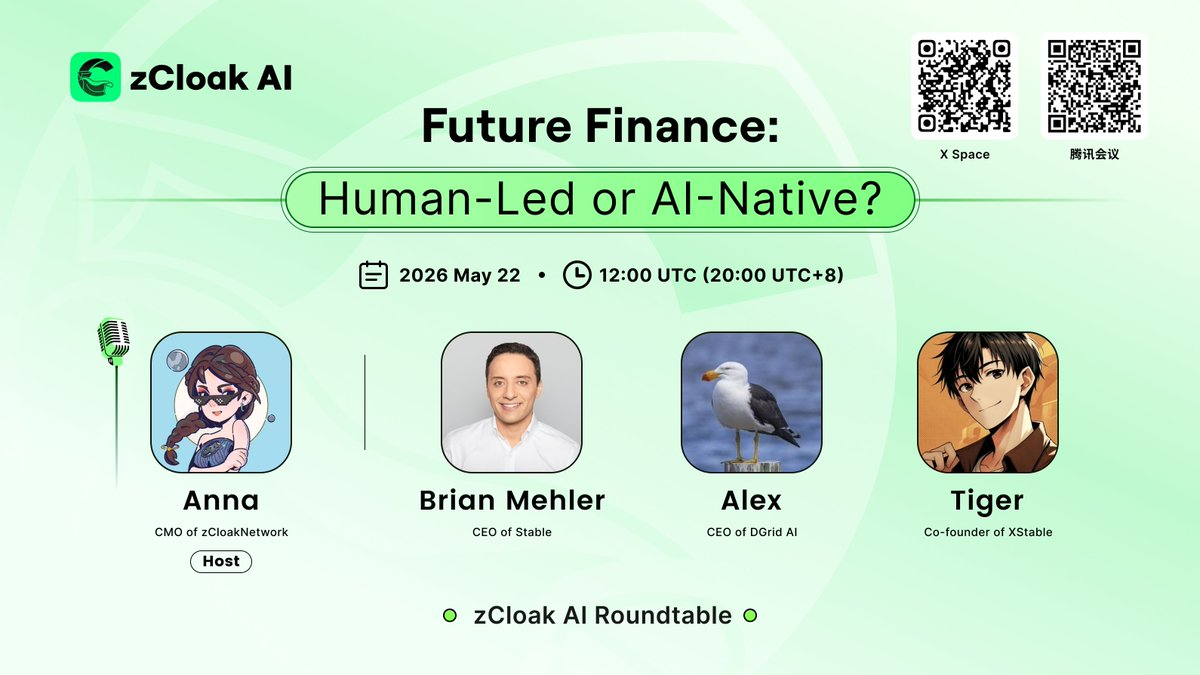
The team hosted multiple high-profile AMAs and roundtables, including “Future Finance: Human-Led or AI-Native?” with speakers from Stable, dgrid_ai, and XStableRWA. They also ran deep discussions on enterprise AI adoption, infrastructure, energy constraints, and the role of AI agents in stablecoin payments.
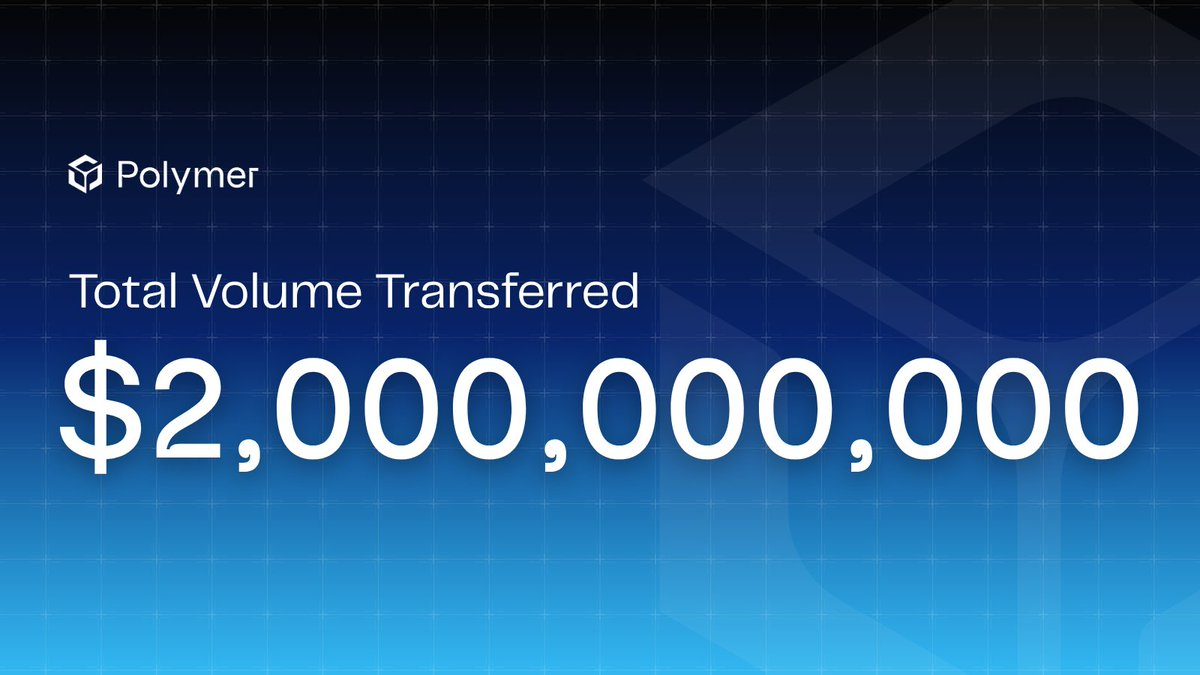
Polymer - Polymer crossed a major milestone with $2 billion in total value transferred. They continued to demonstrate real-world performance through multiple large zero-slippage USDC transfers, including a $9.5 million move from Base to Ethereum.
Towards the end of the month, Polymer announced deeper integration with LI.FI Intents, providing faster settlement and better execution for stablecoin payments, RWAs, and compliant liquidity across chains.
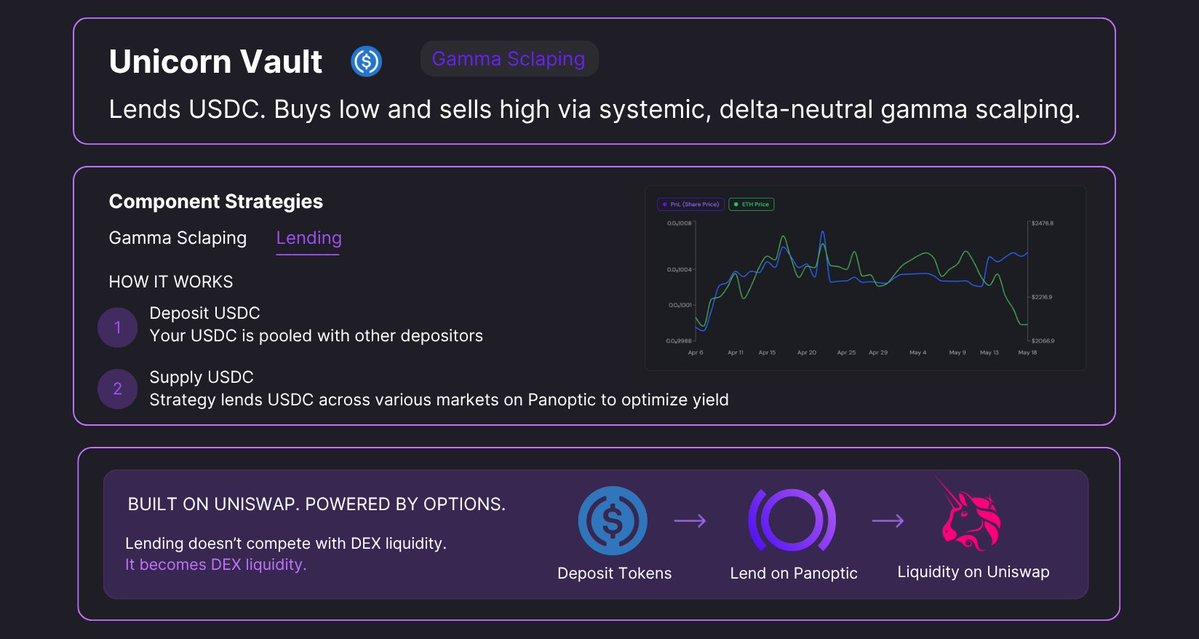
Panoptic - Panoptic continued positioning V2 as a unified system that combines options, lending, and liquidity, with ongoing work toward final audits and broader rollout.
The team published an insightful content piece around onchain RWAs and volatility, highlighting how perpetual options are the missing piece for gold, natural gas, and other real-world assets. They emphasized the need for 24/7 volatility markets, hedging, and structured yield on platforms like Hyperliquid.

Peaq - Peaq network achieved two major highlights. They announced a key integration with LG Electronics, connecting peaqOS with LG’s CLOi robots in the CLOiSim environment. This enables robots to perform autonomous onchain transactions, pay-per-skill payments, and full economic activity using Tether and peaqOS.
They also announced a strategic partnership with Akash Network to bring elastic decentralized compute to robots and machines running on peaqOS. This is particularly relevant for the broader Machine Economy narrative, as autonomous robots and connected devices increasingly require flexible compute resources to process data, execute tasks and participate in onchain economic activity. By combining peaqOS with decentralized compute infrastructure, the partnership strengthens peaq’s positioning at the intersection of robotics, DePIN, AI and blockchain-based machine coordination. The team also provided strong support for xMaquina’s $DEUS TGE, including a trading campaign on MachineDEX.
This broader ecosystem momentum was also reflected in $PEAQ’s market performance, with the average token price increasing by approximately 62% in May compared with April. While token prices remain subject to broader market volatility, the development indicates increased market attention around peaq’s positioning within the Machine Economy narrative.

Silencio - Silencio executed a significant Alpha Burn, permanently removing over 25.5 million SLC from circulation. They continued delivering payouts to contributors as client demand for voice data remained strong. The community hit key milestones, with the network now supporting 2.5 million contributors across 185+ countries.
Furthermore, Silencio ran active campaigns focused on high-quality multilingual recordings (including overlapped sound + speech data) and shared educational content highlighting the critical need for real-world voice data in the age of advanced Voice AI.
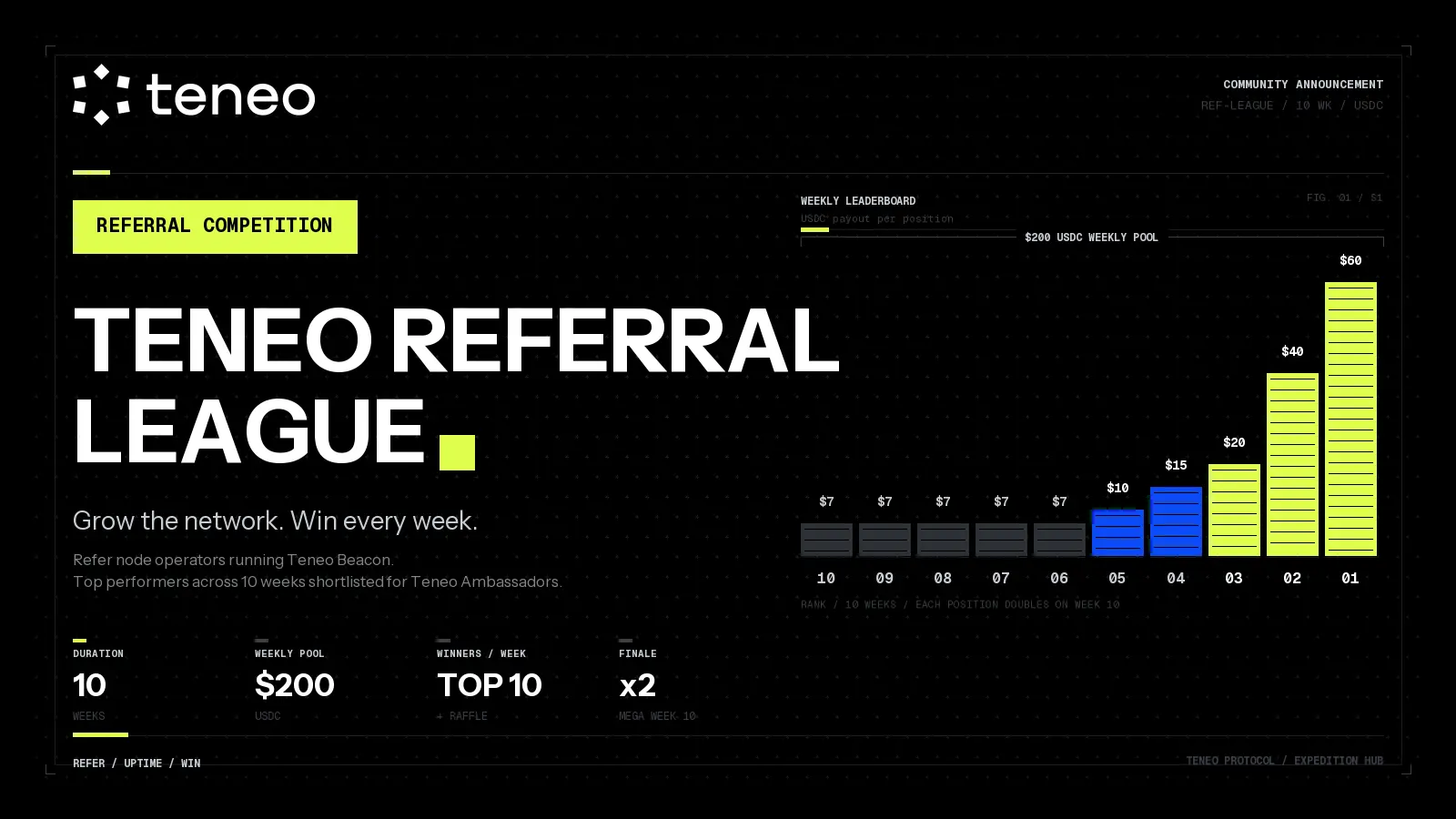
Teneo - Teneo launched the Teneo Referral League, a 10-week community competition offering $200 USDC in weekly prizes for referring new node operators running Teneo Beacon. Top performers will also be considered for the Teneo Ambassador program.
They also released a new LayerZero Agent guide, showing how users can bridge tokens directly from the Teneo CLI. This strengthens Teneo’s position as a practical infrastructure for building and monetizing AI agents. This month was focused on community growth, developer tools, and expanding real use cases for the agent ecosystem.
Closing Remarks
May 2026 reflected a familiar tension: genuine structural progress met with short-term market headwinds. Despite the crypto market giving back most of its early gains by month-end, the underlying fundamentals — advancing US and EU regulatory frameworks, deepening institutional integration, and the continued maturation of RWA and stablecoin infrastructure — point firmly in the right direction.
The completion of the Incredulous Labs audit and the ongoing ABAG audit process represent important milestones on our path toward a clean, compliant foundation. Alongside this, the successful financing and the continued progress within our portfolio companies reinforce our confidence in the long-term direction of the group.
Across our portfolio, May brought concrete achievements: XMAQUINA's successful $DEUS TGE, Polymer crossing $2 billion in total value transferred, Panoptic's V2 beta launch, and zCloak's enterprise AI showcase at Google Singapore — all reflect projects translating development into real-world adoption.
We remain focused on disciplined execution, portfolio monetization, and building long-term value for our shareholders and partners. We look forward to sharing further progress in the months ahead.
Best regards,
Your Advanced Blockchain Team
.svg)

.svg)

